





Level 2 – Gym Instructor
Level 2 – Instructing Kettlebells
Level 2 – Instructing Fitness for Children
Level 2 – Instructing Circuit Training
Level 3 – Personal Trainer
Level 3 – Pre & Post Natal Exercise
Level 3 – Designing Exercise for Older Adults
Level 3 – Online Personal Training
Level 3 – Diploma in Exercise Referral
Level 4 – Diploma Master Practitioner in Personal Training
CIMSPA Professional Status
Emergency First Aid Qualified
Introducing Gina Adams, mother of three, and your Personal Trainer (PT) for LittleMissFitness!
With previous experience as a Personal Trainer and Fitness Instructor in a commercial 24hr chain of gyms, Gina knows what it takes to help you achieve your goals!
Gina is always there to motivate you, pushing you to achieve your fitness targets.
As a mentor, she provides valuable guidance, sharing her wealth of knowledge to improve your workouts. As a friend, she is supportive, understanding your needs, and helping you navigate through your fitness journey.
Gina’s workouts are tailored to meet your specific needs, whether than be weight loss, functional fitness, sporting event preparation, injury rehabilitation, strength training and much much more!
No need to step into a daunting commercial Gym – Train in a private home setting, using Gym quality equipment without the anxiety and stress!
Whether your goal is weight loss, strength training, body conditioning, general fitness, or preparing for a sporting event – trust LittleMissFitness to help you achieve your goals!
LittleMissFitness offers a commercial gym experience accessible from the privacy of a home gym setting.
Are you anxious walking into a commercial gym? Worried that people might be in better shape than you? Might be looking at you while you work out? Not sure what you are doing in terms of workouts?
Well LittleMissFitness was developed solely to aid Women who feel anxious about starting their fitness journey in the commercial gym setting.
For many, stepping into a commercial gym can be daunting. The anxiety and stress associated with working out in front of others can often hinder fitness goals.
However, LittleMissFitness aims to change that narrative. LittleMissFitness offers a commercial gym experience accessible from the privacy of a home gym setting.
By removing the barriers of gym intimidation, LittleMissFitness empowers individuals to prioritise their health and well-being without added stress. With this innovative approach, achieving fitness goals becomes more attainable and enjoyable for everyone, regardless of experience or confidence level.
Whether you are young or old, fitness can be for everyone!
LittleMissFitness caters for all levels and all ages, and can tailor fitness programmes for your current and future needs.
Lose Weight
Tone Up
Increase Mobility / functional fitness
Rehabilitation from injury or surgery
Sporting Event Preparation
and much much more!
Fitness knows no age limits! Embrace vitality and strength at any stage of life, and let LittleMissFitness help you transform your health and well-being regardless of your age.
At around 40% the cost of a commercial gym Personal Trainer, LittleMissFitness gives you all the gym experience, without the stress, anxiety and price of the gym!
We all have busy lives – with work, home life, running children around, shopping, sometimes it can be easy to forget to make time for you!
Taking just one hour a week for yourself can greatly enhance your mental well-being, and help you unwind from the stresses of day to day life.
Exercise significantly boosts both mental and physical health. It releases endorphins, reducing stress and enhancing mood. Regular physical activity strengthens muscles, improves cardiovascular health, and promotes better sleep. It’s a holistic approach to well-being, fostering a healthier body and a sharper mind.
Consider personal training as an investment in yourself, providing tailored guidance and motivation to reach your goals effectively. Remember, it’s not just about the destination; it’s about enjoying the journey towards a healthier, happier you.
Let LittleMissFitness help you achieve your goals!
At LittleMissFitness, we are proud supporters of the “THIS GIRL CAN” campaign run by Sport England, which aims to empower women of all shapes, sizes, and abilities to embrace physical activity and break down barriers to exercise!
This inclusive movement celebrates women from diverse backgrounds and encourages them to get active in a way that feels right for them.
The “THIS GIRL CAN” campaign promotes the following principles:
Authenticity: It celebrates real women engaging in real workouts, showcasing the diversity of activities that can be enjoyed, from yoga and dance to team sports and outdoor adventures.
At LittleMissFitness, we wholeheartedly support these principles and strive to create a supportive and encouraging environment where women feel empowered to pursue their fitness goals with confidence and pride.
Join us in celebrating the “THIS GIRL CAN” spirit as we champion women’s fitness and well-being together and let LittleMissFitness help you achieve your goals!
At LittleMissFitness, the safety and wellbeing of our clients has always been at the forefront of everything we do.
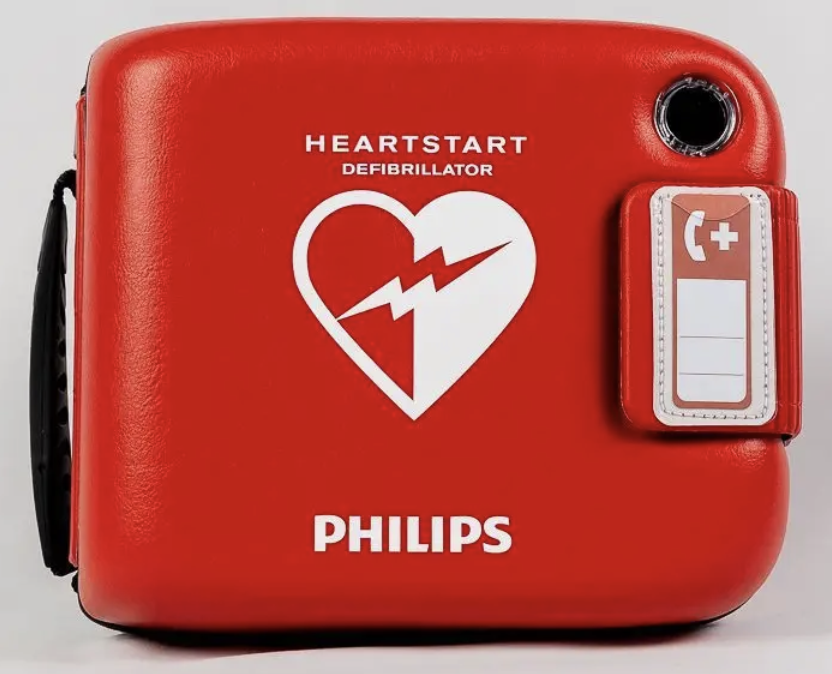
We’re proud to announce our latest investment in a Philips HeartStart FRx Defibrillator – a vital, life-saving device that could make all the difference in an emergency.
Defibrillators deliver a controlled electric shock to the heart during cardiac arrest, giving the best possible chance of survival before medical help arrives.
Every second counts in these situations, and having immediate access to a defibrillator can double or even triple a person’s chance of survival.
To enhance its capability, we’ve also purchased the optional child key, allowing the device to be safely used on infants and children over 1yrs old — ensuring protection for people of all ages.
We’ve also registered our defibrillator on the National Defibrillator Database, “The Circuit”, a system run by the British Heart Foundation in partnership with emergency services.
At LittleMissFitness, we’re proud to announce that we’ve officially achieved CIMSPA Personal Trainer Senior Practitioner Professional Status – specifically for Inclusion of Working with Women and Girls – one of the highest professional benchmarks in the UK fitness industry.
CIMSPA (the Chartered Institute for the Management of Sport and Physical Activity) is the professional body responsible for setting the standards across the UK’s sport and fitness sector.
This achievement represents the culmination of a progressive professional framework, beginning with Practitioner status, which recognises competent and qualified fitness professionals, and advancing to Advanced Practitioner, which identifies those who demonstrate enhanced expertise and consistent client results.
Having now surpassed both levels, the Senior Practitioner recognition signifies an elite standard of excellence. It demonstrates a proven track record of client success, leadership within the industry, and ongoing commitment to professional development and innovation in training delivery.
LittleMissFitness is excited to announce our achievement of the prestigious UK Coaching “Duty to Care” Digital Badge, a testament to our unwavering commitment to the well-being and safety of all our clients.
This badge symbolises our adherence to the core principles of the Duty to Care framework, which guide our coaching practices and ensure that every individual who walks through our doors receives the highest standard of care and support.
At LittleMissFitness, we prioritise the following principles upheld by the Duty to Care framework:
Safeguarding
Diversity
Inclusion
Mental Health & Well-being
Physical Well-being
Safe To Practise
With the UK Coaching Duty to Care Digital Badge, you can trust that LittleMissFitness is dedicated to providing a nurturing and supportive Personal Training experience, where your well-being and success are our top priorities.
Join us as we continue to uphold these principles and inspire positive change in the lives of our clients.
With the cost of living crisis affecting everyone, having affordable access to fitness is important!
Our exclusive personal training, tailored for women-only, is accessible at a remarkable 40% off the typical commercial gym personal trainer prices!
LittleMissFitness personal training offers unbeatable affordability, ensuring everyone can access quality fitness guidance without breaking the bank. With rates lower than competitors, clients enjoy the same expertise and support at a fraction of the cost!
LittleMissFitness is the prominent personal trainer for women in Kent, and offers uniquely tailored workouts and personal coaching.
This service aims to transform your fitness routine. Joining us allows you to focus on your wellbeing and discover your true potential.